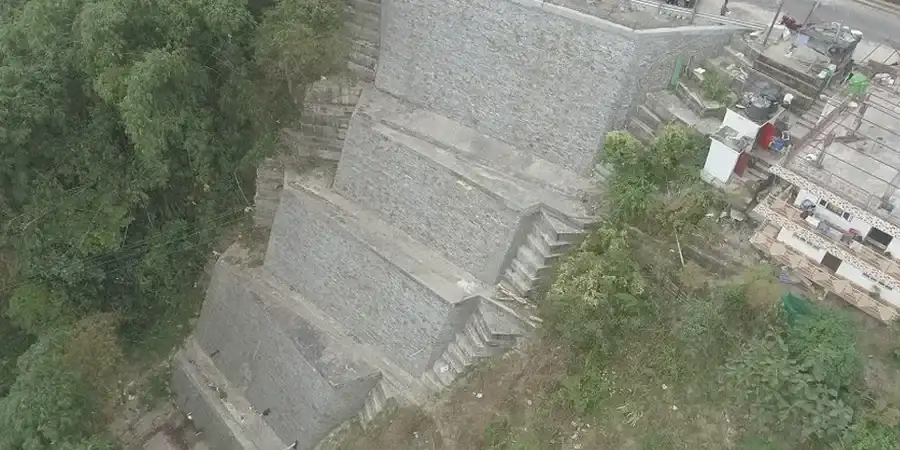
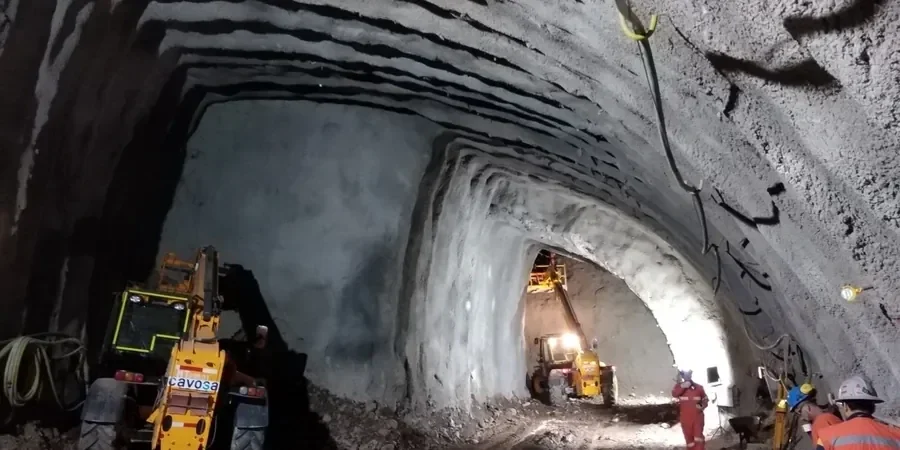
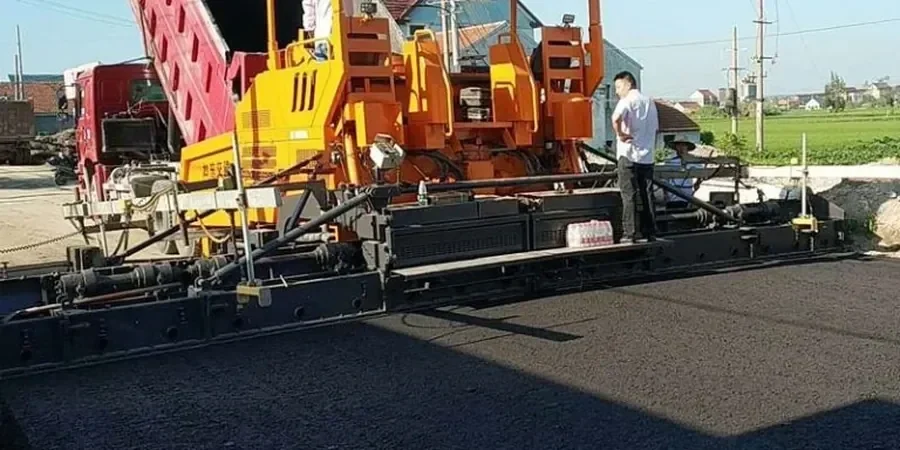
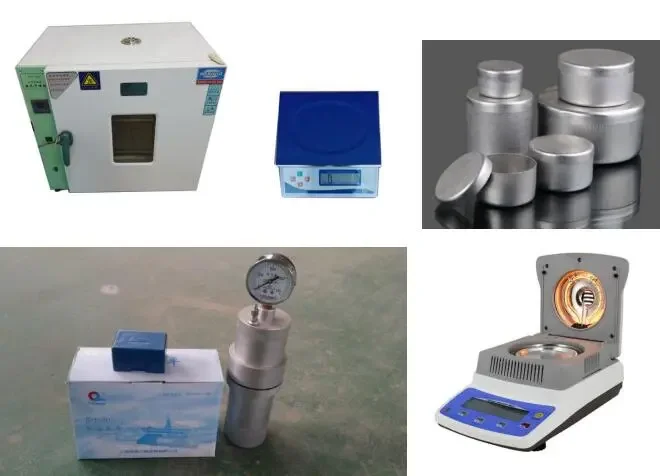
Around Swansea, the geology shifts fast—glacial till in the north, alluvium along the Tawe, and weathered sandstone up in Mayhill. One thing stays constant: a decent compaction spec means nothing if you can't verify it on site. We run the sand cone density test wherever the ground conditions allow it, from the SA1 waterfront redevelopment to the housing estates pushing up into Kilvey. The method is solid, doesn't need a power source, and gives you a direct measurement of in-place density—no correlations, no assumptions. We typically pair it with a Proctor test to establish the reference maximum dry density, because without that lab benchmark the field numbers don't tell you much. In granular backfill around retaining structures or deep service trenches, we often recommend a CPT traverse to check for loose pockets that the sand cone might miss between test points.
A compaction curve is a laboratory ideal. The sand cone test tells you what the roller actually left behind in the ground.